
Finding the perfect rental property can be an exciting but challenging process. Unfortunately, the search for a new home can be fraught with peril, as rental scams are becoming increasingly common. From fake listings and bait-and-switch tactics to requests for upfront fees and security deposit fraud, unsuspecting renters can easily fall victim to these schemes. Protecting yourself requires vigilance, awareness, and a clear understanding of the common rental scams used by fraudsters. This article will equip you with the knowledge you need to navigate the rental market safely and avoid becoming a victim of these deceptive practices.
Understanding the various types of rental scams is the first step in protecting yourself. We’ll examine the red flags to watch out for, including suspiciously low rent prices, high-pressure sales tactics, and requests for unusual payment methods. By learning how to identify these rental scams, you can confidently search for your next home, ensuring a smooth and secure rental experience. This guide will provide you with practical tips and strategies to avoid rental scams and keep your personal information and finances safe. Learn how to verify listings, conduct thorough research on landlords and property management companies, and protect yourself from fraudulent activities in the rental market.
Types of Rental Scams to Watch For
Several types of rental scams target prospective tenants. Bait-and-switch scams advertise a desirable property at a low price. Once contacted, the scammer claims it’s unavailable but offers a less appealing, more expensive alternative. Phantom rentals are listings for properties that don’t exist or that the scammer doesn’t own. They often involve requests for upfront payment before viewing.
Hijacked ads utilize real listings copied from legitimate sites and reposted with altered contact information and lower rent. Application fee scams involve requesting excessive or multiple application fees for a single property, aiming to collect fees from numerous applicants without actually renting the unit.
Red Flags in Listings and Ads
When searching for a rental property, be wary of listings or ads that exhibit certain red flags. These can indicate potential scams. Below-market rent prices are a major warning sign. If a deal seems too good to be true, it probably is.
Requests for upfront payment before a viewing or lease signing are another significant red flag. Legitimate landlords typically do not require money before you’ve seen the property in person and reviewed the lease agreement. Poor grammar and spelling in the listing can also indicate a scam, as can vague descriptions of the property or its amenities.
Finally, be cautious of listings with limited or blurry photos. Scammers often use stolen photos from other listings. If the photos are few or of poor quality, this may be an attempt to hide the true condition of the property or its non-existence.
Always Visiting the Property First
One of the most crucial steps in avoiding rental scams is physically visiting the property before signing any lease or making any payment. This allows you to confirm that the property actually exists as advertised and is in the condition described.
Never rent a property sight unseen. Scammers often use photos of attractive properties they don’t own or manage to lure potential renters. By visiting in person, you can avoid this trap and verify the property’s legitimacy.
During your visit, inspect the property thoroughly. Note any discrepancies between the online listing and the actual condition. Meeting the landlord or property manager in person also allows you to ask important questions and assess their credibility.
Never Paying in Cash Upfront

A major red flag in rental scams is the demand for upfront cash payments. Never pay a security deposit, first month’s rent, or any other fees before you have signed a lease and thoroughly inspected the property in person. Scammers will often pressure you to pay quickly, using tactics like claiming there are other interested parties.
Legitimate landlords will typically accept a variety of payment methods, such as checks, cashier’s checks, or online transfers, and will provide a receipt for your payment. Cash is untraceable, making it the preferred method for scammers.
If a landlord or property manager insists on cash, consider this a serious warning sign and walk away from the deal.
Using Verified Platforms for Booking
One of the most effective ways to avoid rental scams is to use a verified booking platform. These platforms act as intermediaries, offering a degree of security for both renters and landlords. They often provide secure payment systems, verified listings, and sometimes even damage protection.
Look for platforms with established reputations and clear policies regarding fraud protection and dispute resolution. Be wary of using platforms that seem new or lack transparent communication about their security measures.
Always book directly through the platform. Avoid communicating or making payments outside of the platform’s system, as this bypasses the protections they offer and makes you vulnerable to scams.
Checking Property Ownership Legally
Before signing any lease agreement, verify the landlord’s ownership. This protects you from scams involving fake listings. Confirming ownership is crucial.
Several methods exist for checking property ownership. Contact the local county recorder’s office or tax assessor’s office. These offices maintain public records of property ownership. Some jurisdictions offer online databases for convenient access.
Another option is to hire a title company. They can conduct a thorough title search, revealing any liens or encumbrances on the property, further validating ownership.
Contacting Previous Tenants If Possible
While not always feasible, reaching out to previous tenants can provide invaluable insights into a rental property and the landlord. Previous tenants can offer firsthand accounts of their experiences, including the landlord’s responsiveness to maintenance requests, any recurring issues with the property, and the overall accuracy of the listing.
Inquire about the reason for their move, the condition of the property upon their departure, and any unexpected costs or disputes they encountered. This information can help you assess the legitimacy of the listing and avoid potential problems down the line.
Trusting Your Instincts
Perhaps the most powerful tool in avoiding rental scams is trusting your gut feeling. If something feels off, it probably is. Don’t dismiss that nagging feeling of unease.
Common red flags that should trigger your instincts include:
- Prices that seem too good to be true. If the rent is significantly lower than comparable properties in the area, be wary.
- Pressure to act quickly. Scammers often create a sense of urgency to prevent potential victims from doing their due diligence.
- Requests for unusual payment methods. Be cautious of requests to pay via wire transfer, gift cards, or cryptocurrency.
- Limited showing availability or refusal to meet in person. Legitimate landlords are typically willing to show the property and meet prospective tenants.
If your instincts tell you something is wrong, don’t hesitate to walk away. It’s better to be safe than sorry.
Reporting Scams to Authorities
If you encounter a rental scam, reporting it can help prevent others from becoming victims. Reporting also aids authorities in tracking scam trends and potentially holding perpetrators accountable.
Contact your local police department to file a report. Provide them with all relevant information, such as the scammer’s contact details, property address, and details of the scam. You should also report the scam to the Federal Trade Commission (FTC).
If the fraudulent listing was posted on an online platform, notify the website immediately. They can remove the listing and take action against the fraudulent account.
Staying Updated with Local Laws
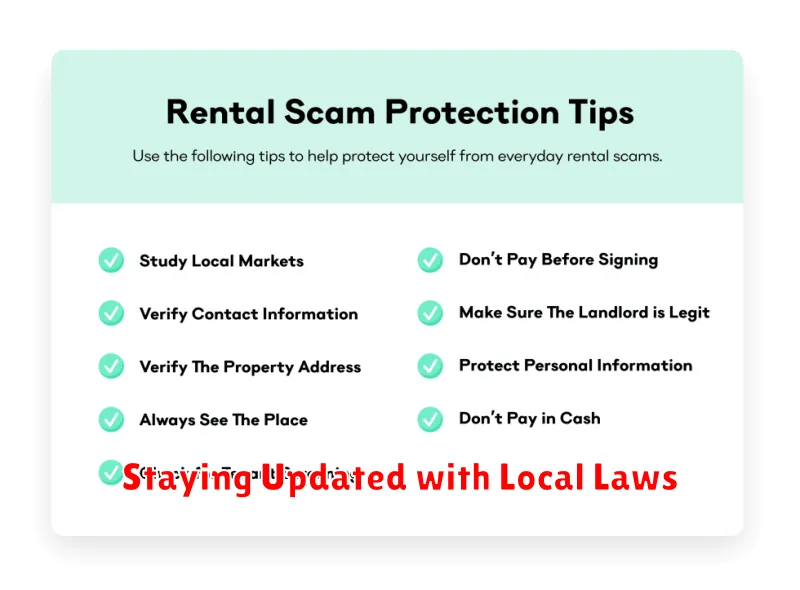
Familiarizing yourself with local tenancy laws is crucial in protecting yourself from rental scams. These laws outline the rights and responsibilities of both landlords and tenants, covering aspects like lease agreements, security deposits, and eviction procedures.
Being aware of these regulations empowers you to identify potential red flags. For instance, understanding local laws regarding security deposits helps you spot a scam if a landlord demands an unusually high amount or refuses to provide a proper receipt. Similarly, knowing the legal eviction process can protect you from unlawful eviction threats.
Resources for accessing local ordinances often include your city or county’s official website, housing authorities, and tenant rights organizations.
