
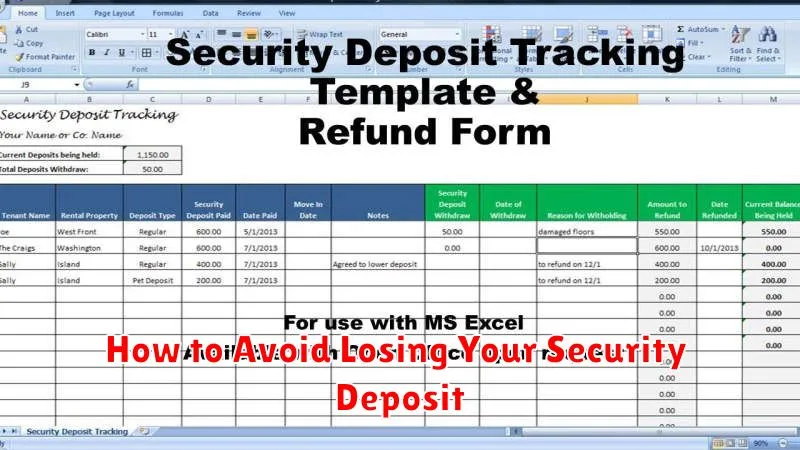
Moving out can be an exciting but also stressful time. One of the biggest concerns for renters is receiving their security deposit back in full. Losing your security deposit can put a significant dent in your moving budget. This article provides essential advice on how to avoid losing your security deposit and ensure a smooth transition out of your rental property. We will cover crucial steps, from understanding your lease agreement to conducting a thorough pre-move-out inspection, all aimed at helping you protect your security deposit. Learn how to document the condition of your rental unit and address any potential issues with your landlord to maximize your chances of a full refund.
Reclaiming your security deposit shouldn’t feel like a battle. By understanding your rights and responsibilities as a tenant and proactively addressing potential security deposit deductions, you can significantly improve your chances of a full return. This article will offer practical tips and strategies, including effective communication with your landlord, meticulous cleaning and repairs, and proper documentation, to help you navigate the move-out process successfully and secure your security deposit. With a little preparation and effort, you can avoid common pitfalls and ensure you receive your security deposit back without issue.
Take Photos Before Moving In
Documenting the condition of the property before you move in is crucial. This provides a baseline against which any damage can be assessed when you move out. Without this evidence, you could be held responsible for pre-existing issues.
Take photos of everything, including seemingly minor flaws. Pay close attention to areas commonly subject to wear and tear, such as walls, floors, appliances, and fixtures.
Consider creating a dated inventory list to accompany your photos. This will further strengthen your documentation and make it easier to reference specific items or areas when you move out.
Read the Lease Carefully
Your lease is a legally binding contract that outlines the terms of your tenancy. It details your responsibilities as a tenant, including what can lead to deductions from your security deposit. Carefully review every clause, paying particular attention to sections about cleaning, repairs, and permitted alterations.
Understanding your obligations is crucial for protecting your deposit. Look for specific requirements, such as professional carpet cleaning or repainting walls to their original color. If anything is unclear, ask your landlord for clarification before you move in. This proactive approach can prevent disputes and help ensure you receive your full deposit back.
Report Issues Immediately
One of the most critical aspects of preserving your security deposit involves promptly reporting any maintenance issues or damage that occurs within your rental unit. Timely reporting demonstrates responsible tenancy and allows the landlord adequate opportunity to address the problem before it escalates and becomes more costly to repair.
Document everything. Take photos or videos of the issue as soon as you discover it. Keep a written record of when you notified your landlord and the method of communication used (e.g., email, phone call). This documentation will serve as valuable evidence should a dispute arise regarding responsibility for the damage.
Avoid Permanent Alterations
One of the most common reasons for security deposit deductions is unauthorized permanent alterations to the property. Landlords expect their property returned in the same condition it was received, barring normal wear and tear.
Avoid making any permanent changes without obtaining explicit written permission from your landlord. This includes painting walls a different color, installing new fixtures, or making significant structural modifications. Even seemingly small alterations can result in deductions if not pre-approved.
Pay Rent and Bills on Time
Paying your rent and utility bills on time is crucial for protecting your security deposit. Late payments can lead to penalties and may even be considered a breach of your lease agreement. This can give your landlord justification to withhold some, or all, of your deposit.
Set up automatic payments or reminders to ensure timely payment. Keep records of all payments as proof of your adherence to the lease terms. This documentation can be valuable if any disputes arise regarding your payment history.
Follow Cleaning Guidelines
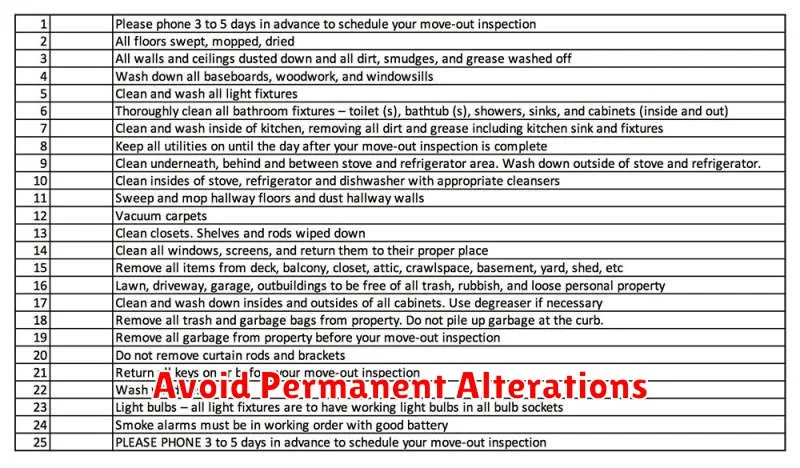
A primary reason for deposit deductions is inadequate cleaning. Refer to your lease agreement for specific cleaning requirements. Often, landlords provide a checklist outlining expected cleaning standards.
Thoroughly clean all areas of the property, including often-overlooked spots like ovens, refrigerators, and bathrooms. Consider professional cleaning services if you lack the time or resources. Documenting the cleaning process with photos can also be beneficial.
Fix Minor Damages Before Leaving
Addressing minor damages before moving out can significantly increase your chances of receiving a full security deposit refund. Landlords often deduct for repairs, even small ones. By proactively fixing these issues, you demonstrate responsibility and minimize potential deductions.
Common examples include patching small holes in the walls, touching up chipped paint, repairing leaky faucets, and replacing burnt-out light bulbs. These are typically inexpensive and easy fixes that can make a big difference.
Consider keeping a small toolkit with essential repair supplies handy throughout your tenancy. This allows you to address minor issues as they arise, preventing them from becoming larger problems later on.
Request a Walkthrough with Landlord
Before moving out, request a walkthrough with your landlord. This is a crucial step in protecting your security deposit. A joint inspection allows you and your landlord to identify any existing damage and discuss necessary repairs.
Schedule the walkthrough well in advance of your move-out date. This provides ample time to address any issues before you leave. Document the walkthrough by taking photos or videos and taking notes of any agreements made with your landlord.
During the walkthrough, be proactive in discussing any potential deductions from your security deposit. Open communication can help avoid disputes later. Confirm what repairs, if any, are your responsibility and what your landlord expects.
Get Agreements in Writing
A crucial step in protecting your security deposit is documenting all agreements with your landlord. This includes the initial lease terms, any subsequent modifications, and any specific agreements regarding repairs or alterations to the property.
Written documentation provides clear evidence of the agreed-upon conditions, preventing disputes later on. For example, if you and your landlord verbally agree that you can paint a wall a specific color, get that agreement in writing. This protects you if the landlord later tries to deduct from your deposit for repainting.
Having a written record helps establish responsibility for repairs and maintenance. This clarifies who is financially responsible for fixing specific issues, minimizing disagreements when you move out.
Keep Copies of All Records
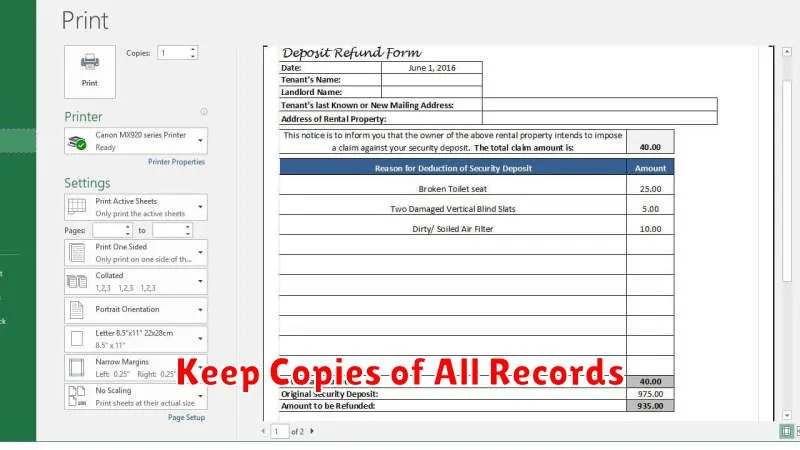
Maintaining comprehensive records is crucial for protecting your security deposit. This includes the original lease agreement, any addendums, and all correspondence with your landlord.
Document the condition of the property both before moving in and after moving out. A detailed written report accompanied by dated photographs or videos is highly recommended. Note any existing damage before you move in to avoid being held responsible later.
Keep records of all rent payments, including cancelled checks, money orders, or electronic transfer confirmations. This proves you’ve met your financial obligations under the lease.
Retain copies of any repair requests you submitted and any related correspondence with the landlord regarding maintenance issues. This documentation can be invaluable if disputes arise regarding damages.
