

Planning an extended trip and weighing your accommodation options? Deciding between a hotel and an Airbnb for long stays can be challenging. This article delves into the nuances of each, comparing hotels versus Airbnbs to help you determine which is the better choice for your long-stay needs. We’ll consider factors such as cost, amenities, convenience, and overall experience to guide your decision-making process for your upcoming long stay.
From the consistent services of hotels to the home-like comforts of Airbnbs, both offer distinct advantages and disadvantages for long stays. Whether you prioritize budget-friendly options, spacious accommodations, or specific amenities, understanding the key differences between hotels and Airbnbs is crucial for a successful long stay. This comparison will equip you with the information necessary to choose the better accommodation option, tailored to your individual preferences and the unique requirements of a long-stay trip.
Cost Comparison for Extended Stays
One of the most significant factors when deciding between a hotel and an Airbnb for an extended stay is cost. Generally, Airbnbs offer more competitive pricing for longer stays, especially for larger groups or families. Hotels, while potentially offering more amenities, can accumulate significant costs over time.
Key cost considerations often include cleaning fees (more prevalent with Airbnbs), nightly rates, and potential discounts for extended bookings. Hotels may offer weekly or monthly rates, while Airbnb hosts often provide discounted pricing for longer stays. Analyzing the total cost, inclusive of all fees, is crucial for making an informed decision.
Amenities and Services
A key differentiator between hotels and Airbnbs lies in the amenities and services offered. Hotels typically provide a standardized experience, including daily housekeeping, on-site restaurants, gyms, and sometimes even concierge services. These conveniences can be particularly appealing for longer stays.
Airbnbs, on the other hand, offer a more variable experience. While some may offer similar amenities to hotels, others might be more basic. Guests should carefully review listings to understand what is included. For instance, laundry facilities are common but not guaranteed, and daily housekeeping is rarely provided. This difference contributes to the overall cost and independence afforded by Airbnb.
Privacy and Personalization
Privacy considerations differ significantly between hotels and Airbnbs. Hotels offer limited privacy, with staff regularly accessing rooms for cleaning and other services. Airbnb provides more privacy, as guests typically have the entire space to themselves, with minimal interaction with hosts or cleaners, depending on the arrangement.
Personalization is another key differentiator. Hotels offer standardized experiences, while Airbnbs can be much more personalized. From unique decor and amenities to hosts’ local recommendations, Airbnbs offer a chance to experience a destination more like a local.
Dealing with Hosts vs. Hotel Staff
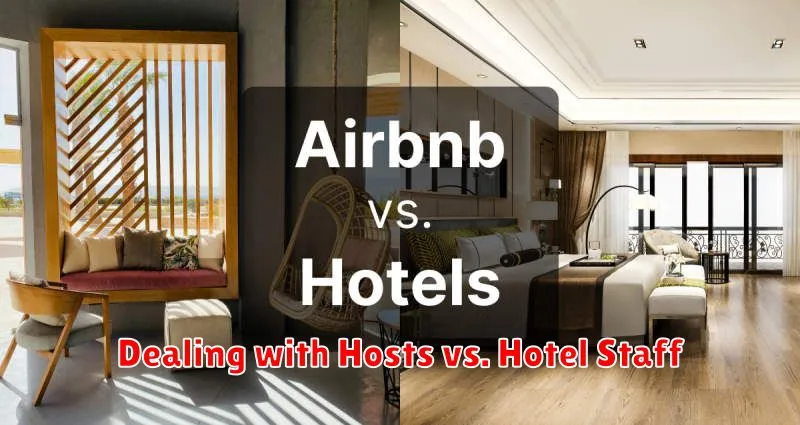
A key difference between hotels and Airbnbs lies in whom you interact with. In a hotel, you deal with professional staff trained in hospitality. They are readily available at the front desk or via phone for assistance with issues like maintenance, room service, or general inquiries. This ensures a consistent and predictable experience.
With Airbnb, you communicate directly with the host. While some hosts offer hotel-like services, others prefer a more hands-off approach. This can lead to a more personalized experience but can also present challenges if issues arise and communication is unclear or delayed. The level of host interaction can vary greatly depending on the individual and their property.
Location Options and Accessibility
A key differentiator between hotels and Airbnbs is location and accessibility. Hotels are predominantly located in central business districts and tourist hubs, offering easy access to transportation and attractions. Airbnbs, conversely, offer a wider range of locations, including residential neighborhoods, providing a more immersive local experience.
Accessibility features also vary. Hotels generally adhere to stricter accessibility standards, with features like ramps, elevators, and adapted rooms. While some Airbnbs offer similar amenities, confirming accessibility features before booking is crucial due to the variability among individual properties.
Safety and Health Protocols
Safety and health are paramount when choosing long-term accommodations. Hotels often have established protocols, including regular cleaning, staff training, and sometimes on-site security. They must adhere to specific regulations, providing a baseline level of assurance.
Airbnb properties vary significantly. While some hosts maintain high standards, others may not. Look for listings that explicitly mention enhanced cleaning procedures, contactless check-in, and adherence to local health guidelines. Guest reviews can also offer insights into a host’s commitment to safety and cleanliness.
Flexibility with Check-In/Out
A key difference between hotels and Airbnbs for long stays lies in check-in/out flexibility. Hotels generally adhere to fixed times, often requiring check-out by late morning and check-in in the afternoon. This rigidity can be inconvenient for travelers with odd arrival/departure times.
Airbnbs frequently offer greater flexibility. While some hosts have set times, many are willing to accommodate guest schedules, particularly for extended stays. Direct communication with the host often allows for personalized arrangements regarding arrival and departure.
Space and Comfort Levels
A key differentiator between hotels and Airbnbs for extended stays is the available space and the resulting comfort level. Hotels typically offer standard rooms with limited space, often feeling cramped during longer stays. Space can be a significant factor when unpacking and settling in for a longer period.
Airbnbs, on the other hand, frequently provide entire apartments or houses, offering significantly more living space. This includes separate living areas, kitchens, and multiple bedrooms, promoting a more comfortable and home-like environment. This added space allows guests to spread out, relax, and maintain a sense of normalcy during their stay.
Booking Policies and Fees
Understanding booking policies and fees is crucial when deciding between a hotel and an Airbnb for an extended stay. Hotels typically have more flexible cancellation policies, often allowing changes or cancellations up to 24 hours before arrival. However, they may charge fees for early departures.
Airbnb cancellation policies vary greatly depending on the host and can range from very flexible to very strict. Pay close attention to the cancellation policy before booking an Airbnb for a long stay. Airbnb also typically charges both cleaning and service fees, which can add up over time. Hotels may have resort fees or parking charges, so compare the total cost carefully.
Making the Right Choice for You
Ultimately, the “better” choice between a hotel and an Airbnb for an extended stay depends on your individual needs and priorities.
Consider what is most important to you. Is it cost? Privacy? Space? Amenities like a kitchen or laundry? Location and proximity to specific services? Flexibility with check-in/check-out times?
By carefully weighing these factors, you can make an informed decision and choose the accommodation that best suits your requirements for a comfortable and productive long-term stay.
