
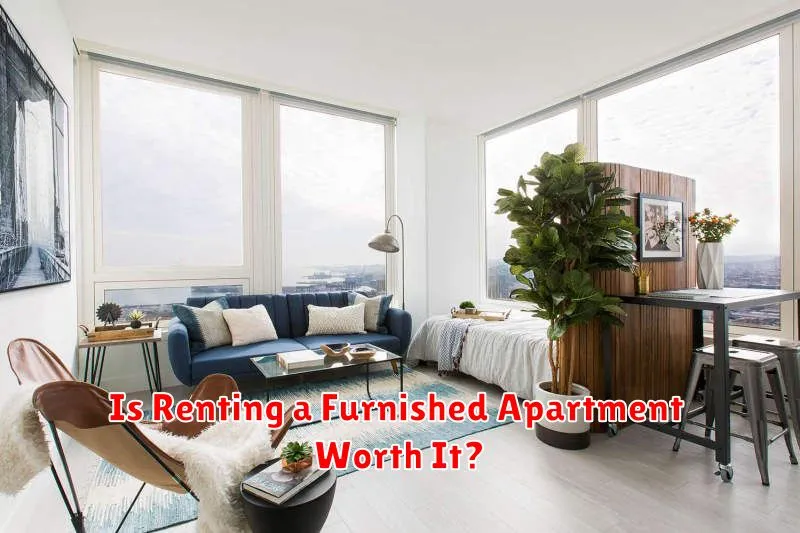
Are you considering renting a furnished apartment? Weighing the pros and cons of furnished apartments versus unfurnished ones can be challenging. This article will delve into the crucial question: Is renting a furnished apartment worth it? We will explore the various factors influencing this decision, such as cost, convenience, lifestyle, and lease terms, ultimately helping you determine whether a furnished rental aligns with your individual needs and circumstances.
From the short-term renter seeking temporary housing to the student needing a hassle-free move-in experience, furnished apartments cater to a broad range of individuals. Understanding the benefits and drawbacks of furnished apartments is essential for making an informed choice. Join us as we unpack the complexities of furnished apartment rentals, offering insights into pricing, amenities, and the overall value proposition of this increasingly popular housing option.
Pros of Furnished Rentals
Furnished rentals offer several key advantages, especially for those seeking convenience and flexibility. Moving is significantly simplified as you avoid the cost and hassle of transporting large furniture items. This is particularly beneficial for short-term stays or individuals relocating to a new city.
Cost savings can also be realized upfront. You bypass the initial investment required to furnish an entire apartment. This includes not only the furniture itself but also the expense of delivery and assembly.
Furnished apartments frequently include essential household items like kitchenware and linens, further streamlining the moving process and minimizing initial expenses. This allows renters to settle in quickly and comfortably.
Cons and Hidden Costs
While renting a furnished apartment offers convenience, it’s crucial to consider potential drawbacks and hidden costs. Higher rental costs are common, as landlords factor in the furniture’s value.
Limited personalization is another disadvantage. You’re stuck with the existing decor and may not be able to express your personal style.
Potential for damage charges is also higher. You’re responsible for any damage to the furniture, regardless of whether you caused it. Additionally, moving can be more complex and potentially more expensive.
Finally, some landlords might require a larger security deposit to cover potential damage to their furnishings.
Ideal Situations for Furnished Units
Furnished apartments present a convenient solution in several specific circumstances. Short-term stays, such as temporary work assignments, internships, or project-based relocations, are ideal for furnished units. The hassle and expense of purchasing furniture for a brief period are eliminated.
Students or individuals in transitional housing situations also benefit. Furnished options provide immediate, comfortable accommodations without the complexities of moving large furniture items. Corporate housing needs, often requiring temporary accommodations for employees, are well-suited for furnished units.
Individuals relocating to a new city and exploring neighborhoods before committing to a long-term lease can find value in furnished rentals. This approach provides flexibility while house hunting.
Comparing with Unfurnished Options

A key aspect of deciding between furnished and unfurnished apartments involves comparing costs and convenience. Unfurnished apartments typically command lower monthly rents. However, the significant upfront expense of purchasing furniture should be factored into the overall cost. This can be a substantial investment, especially for those relocating or on a tight budget.
Furnished apartments offer the convenience of moving in with minimal hassle. This is particularly attractive for short-term leases or for individuals who value flexibility. Conversely, unfurnished spaces provide the freedom to personalize and decorate according to individual taste. This allows for greater control over the aesthetic and functionality of the living space.
How to Inspect Furnished Items
When considering a furnished apartment, a thorough inspection of the provided items is crucial. This helps ensure the condition and suitability of the furnishings meet your expectations and prevents future disputes.
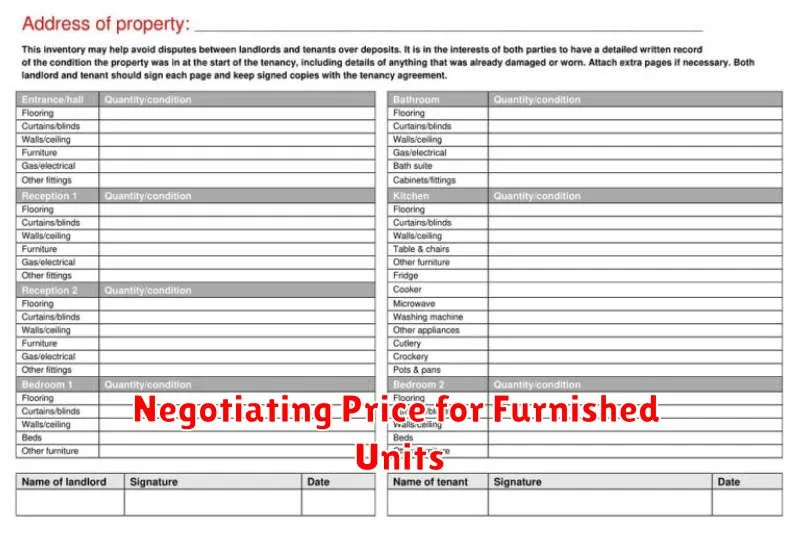
Start by creating a detailed inventory list of every item, noting its condition. Look for any signs of wear and tear such as stains, scratches, or damage. Test the functionality of appliances and electronics. Document everything with clear descriptions and, if possible, photographs.
Don’t hesitate to ask the landlord or property manager about the age and history of the furniture. Clarify responsibility for repairs or replacements should issues arise during your tenancy.
Furniture Damage and Deposit Policies
Understanding furniture damage and deposit policies is crucial when renting a furnished apartment. Landlords often require a security deposit to cover potential damages beyond normal wear and tear.
Carefully review the lease agreement for specifics regarding the deposit amount, allowable deductions, and the process for returning the deposit. It’s important to document the condition of the furniture upon move-in, noting any existing damage. This documentation can protect you from being held responsible for pre-existing issues.
Policies vary, so inquire about specific procedures for reporting damage during your tenancy. Clear communication with the landlord is essential to avoid disputes when you move out.
Short-Term vs Long-Term Considerations
When deciding whether a furnished apartment makes financial sense, your lease duration plays a crucial role. Short-term stays (typically under six months) often benefit from furnished options. The upfront costs of furnishing an apartment yourself are substantial, and the hassle of moving furniture for a brief period can be significant.
For long-term leases, however, the calculus changes. The convenience of a furnished apartment comes at a premium. Over time, this higher rent can outweigh the initial setup costs of purchasing your own furniture. Furthermore, a furnished apartment offers less flexibility in terms of personal style and comfort.
Flexibility for Frequent Movers
Furnished apartments offer unparalleled flexibility, especially for those who relocate frequently. The absence of packing, transporting, and setting up furniture significantly simplifies the moving process. This is particularly advantageous for individuals with short-term job assignments, project-based work, or those exploring new cities before committing long-term.
The cost savings can be substantial. Movers, packing supplies, and potential storage fees are eliminated, representing a considerable financial advantage. This allows for greater mobility and the freedom to pursue opportunities without the burden of logistical complexities and significant upfront expenses.
Cleaning and Maintenance Issues
Furnished apartments often present unique challenges regarding cleaning and maintenance. Who is responsible for cleaning the furniture? What happens if something breaks? These are critical questions to consider. Landlords may have different policies, and it’s essential to clarify these upfront.
Sometimes, landlords stipulate professional cleaning services upon move-out, potentially adding to your expenses. Damage to furniture can also become a point of contention. Agreements should clearly outline responsibility for repairs and replacements, protecting both tenant and landlord.
Negotiating Price for Furnished Units
While furnished apartments offer convenience, the rental premium can be substantial. Don’t hesitate to negotiate the price, particularly if the furnishings aren’t to your taste or are showing wear and tear.
Factors that can influence your negotiating power include the length of your intended stay, the time of year, and the overall demand for furnished units in the area. A longer lease term might justify a lower monthly rate. Similarly, renting during the off-season could provide leverage.
Politely discuss the price with the landlord or property manager. Be prepared to explain your reasoning and suggest a reasonable alternative rate. You could also inquire about removing unwanted furniture to potentially lower the cost.
