
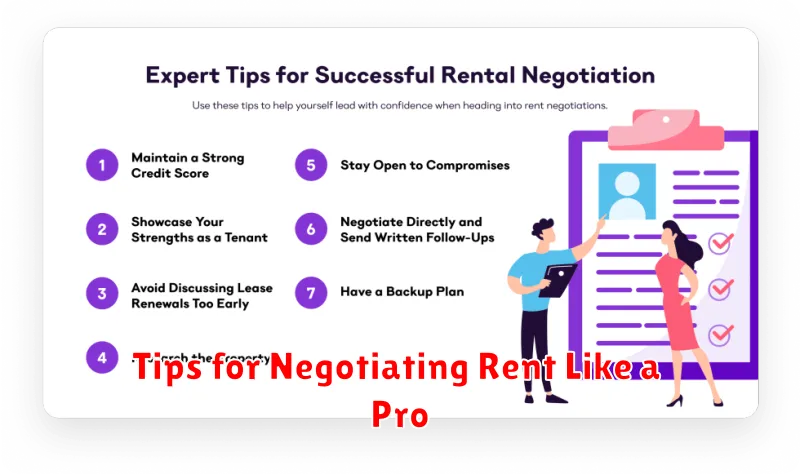
Negotiating rent can feel daunting, but with the right approach, you can secure a more favorable monthly payment. This article provides expert tips to help you negotiate rent like a pro, covering everything from researching market rates and understanding your lease agreement to effectively communicating with your landlord and knowing your rights as a tenant. Whether you’re renewing a lease or signing a new one, mastering these rent negotiation tactics can save you significant money over the course of your tenancy.
Learning how to negotiate rent effectively is a crucial skill for anyone renting a property. From timing your request strategically to highlighting your value as a tenant, we’ll delve into proven strategies that can empower you to negotiate lower rent. By understanding the key factors influencing rent prices and presenting a compelling case, you can confidently navigate the rent negotiation process and potentially secure a better deal on your next rental agreement.
Researching Comparable Rental Prices
Before entering rent negotiations, thoroughly research comparable rental prices in your area. This data serves as your strongest leverage.
Focus on units with similar size, amenities, and location to your target property. Consider factors like the number of bedrooms and bathrooms, square footage, parking availability, and proximity to transportation and amenities.
Online real estate portals and local listings are excellent resources for gathering this data. Document your findings, noting the address, monthly rent, and key features of comparable properties. This information empowers you to confidently present a fair and justified counteroffer to your potential landlord.
Timing Your Negotiation Right
Timing is crucial for successful rent negotiation. Understanding the rental market dynamics and the landlord’s position can significantly impact your chances of securing a lower rent.
Negotiating during the off-season (typically fall and winter) often yields better results. Demand is lower, giving landlords more incentive to offer concessions to fill vacancies.
If you’re a current tenant, initiating discussions before your lease expires gives you more leverage. Landlords prefer retaining existing tenants to avoid the costs and hassle of finding new ones.
Researching comparable properties in your area is essential. Presenting this data strengthens your argument for a reduced rent, particularly if similar units are offered at lower prices.
Highlighting Your Renter Profile
When negotiating rent, presenting yourself as a desirable tenant is key. Landlords seek reliability and responsibility. Emphasize aspects of your profile that demonstrate these qualities.
A strong credit score reflects financial stability. Offer to share your credit report if comfortable. Consistent employment history is another positive indicator. Provide proof of income or a letter from your employer if needed.
Positive references from previous landlords can significantly boost your standing. Be prepared to provide contact information. Demonstrating a history of respecting property and paying rent on time makes you a more attractive candidate.
Offering a Longer Lease Term
Landlords often appreciate the stability of a longer lease term. It reduces their turnover costs and guarantees income for a set period. Offering to sign a longer lease, such as 18 or 24 months instead of the standard 12, can be a powerful negotiating tool.
Be prepared to compromise. While a longer lease can secure a lower monthly rent, it also locks you in for that duration. Carefully consider your future plans before making this offer.
Negotiate strategically. Don’t lead with your longest lease offer. Start with a slightly longer term than the standard and see how the landlord responds. This allows room for further negotiation if needed.
Requesting Upgrades Instead of Discounts
Sometimes, securing a lower monthly rent can be challenging. In these situations, consider negotiating for upgrades instead of a direct discount. This strategy can provide significant value while being more palatable for landlords.
Think about what improvements would enhance your living experience. Perhaps you’d appreciate new appliances, fresh paint, or updated fixtures. Present these requests to your landlord as mutually beneficial propositions. For example, new energy-efficient appliances could save them money in the long run. A freshly painted apartment increases the property’s value.
By focusing on upgrades, you’re essentially receiving a financial benefit without altering the base rent, which landlords often prefer to maintain.
Being Polite but Firm
Negotiating rent requires a delicate balance. Being polite creates a positive and productive environment. It encourages open communication and goodwill. However, politeness should not be mistaken for weakness.
Firmness is essential to convey your seriousness and commitment to securing a fair deal. Clearly articulate your desired rent, supporting your position with relevant market research. While maintaining courtesy, don’t hesitate to reiterate your needs and expectations. This balanced approach will increase your chances of reaching a mutually beneficial agreement.
Getting Terms in Writing
After reaching a verbal agreement, immediately get everything in writing. This protects both you and the landlord.
A written lease agreement should outline all negotiated terms. Rent amount, lease duration, due date, and responsibilities for repairs are crucial details to include.
Don’t rely on verbal promises. A written agreement provides legal recourse if issues arise later.
Using Market Trends to Your Advantage
Understanding current market trends is crucial for effective rent negotiation. Researching rental prices for similar properties in your area provides valuable leverage.
A high vacancy rate often indicates a renter’s market, giving you more negotiating power. Conversely, a low vacancy rate suggests a landlord’s market, making negotiation more challenging.
Use resources like local real estate websites, classifieds, and rental agencies to gather data on average rent prices and vacancy rates. This knowledge empowers you to negotiate a fair and competitive rent.
Avoiding Aggressive Demands
While negotiating rent, it’s crucial to avoid aggressive or overly demanding tactics. These can damage your relationship with the landlord and hinder your chances of reaching a mutually acceptable agreement. Focus on presenting your requests professionally and respectfully.
Instead of making ultimatums, frame your requests as proposals. For example, instead of saying, “I won’t sign unless you lower the rent by $200,” try, “Would you consider reducing the rent by $200 given the current market rates for similar units?” Maintaining a polite and collaborative approach is key to a successful negotiation.
Following Up Professionally
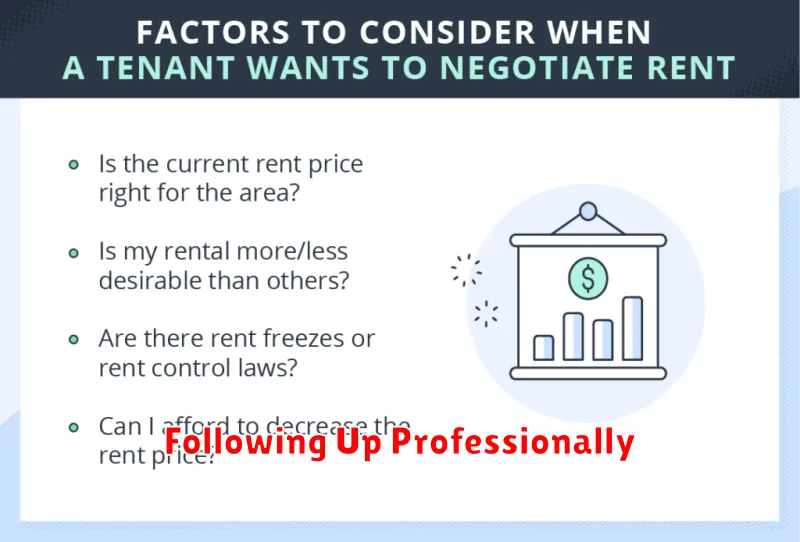
After the initial negotiation, following up is crucial. Maintain professionalism throughout the process. A well-timed follow-up demonstrates your continued interest and keeps the conversation moving forward.
Send a concise email reiterating your key points and proposed rental rate. Confirm any agreements reached and politely inquire about the landlord’s decision timeline. This demonstrates respect for their time and reinforces your seriousness.
If you haven’t heard back within a reasonable timeframe (e.g., a few business days), a polite phone call can be appropriate. Be prepared to reiterate your offer and answer any outstanding questions. Avoid aggressive language or demands.
