
Property value is a dynamic figure influenced by a myriad of factors. Understanding these factors is crucial for both homeowners and potential buyers. Whether you’re looking to invest in real estate, sell your current home, or simply stay informed about market trends, knowing what affects property values is essential. This article delves into the key elements that can significantly impact your property’s value over time, empowering you to make informed decisions in the real estate market. From location and market conditions to property features and economic trends, we’ll explore the forces that shape property appreciation and depreciation.
We will examine internal factors such as property size, age, condition, and upgrades, as well as external factors such as neighborhood characteristics, school districts, crime rates, and the overall economic climate. By understanding the interplay of these factors, you can gain valuable insight into how property values fluctuate and make strategic decisions regarding your real estate investments. This knowledge is essential for maximizing your return on investment and navigating the complexities of the real estate market successfully. Let’s delve into the key factors affecting property value and equip you with the knowledge you need to make informed real estate decisions.
Location and Neighborhood Trends
Location plays a critical role in property valuation. Properties in desirable areas command higher prices. Proximity to amenities such as quality schools, parks, shopping centers, and transportation hubs significantly impacts value.
Neighborhood trends also influence property values. An area experiencing revitalization with increasing property values and new businesses tends to see an upward trend in property prices. Conversely, declining neighborhoods can negatively affect property values. Factors such as rising crime rates or a decline in local businesses can contribute to this.
School Districts and Access to Services
The quality of local school districts is a major factor influencing property values. Homes located within highly-rated school districts often command higher prices. This is driven by the demand from families willing to pay a premium for access to better educational opportunities for their children.
Beyond schools, proximity and quality of other essential services also play a role. Easy access to healthcare facilities, parks and recreation, and convenient shopping centers can all contribute to increased property values. These amenities enhance the overall desirability and convenience of a location, making it more attractive to potential buyers.
Property Size and Condition
Both the size and condition of a property play a significant role in determining its value. Larger properties generally command higher prices, all else being equal. This includes both the land area and the square footage of the building itself.
The condition of the property is another crucial factor. A well-maintained property with updated features will typically be valued higher than a comparable property in disrepair. Deferred maintenance can significantly detract from a property’s value.
Local Economy and Employment Rates
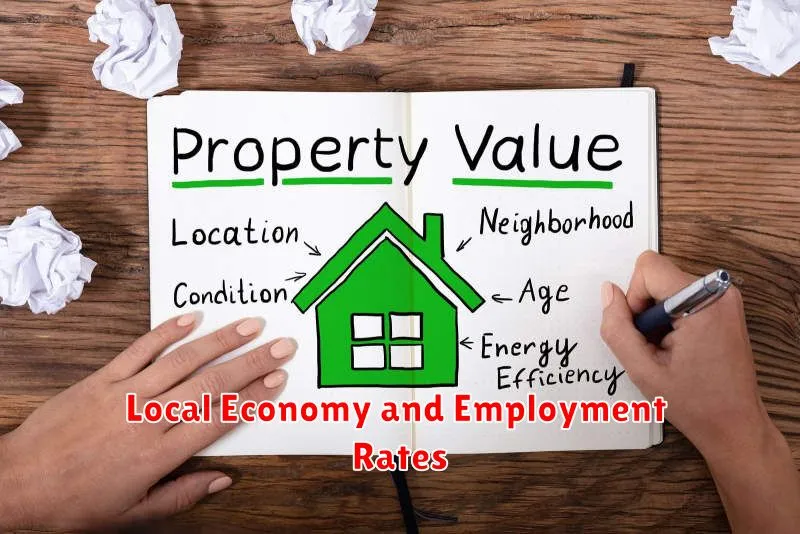
A region’s economic health plays a significant role in property values. A thriving local economy, marked by job growth and low unemployment, often translates to increased demand for housing, driving up property values.
Conversely, economic downturns with high unemployment can lead to decreased demand and potentially lower property values. When people are unemployed or fear job loss, they are less likely to invest in property, and existing homeowners may be forced to sell, increasing supply and depressing prices.
Key economic indicators to watch include the unemployment rate, median income levels, and the presence of major industries and employers in the area. A diversified economy is generally more resilient to economic shocks and can contribute to more stable property values.
Renovations and Upgrades
Renovations and upgrades play a significant role in influencing property value. Modernizing kitchens and bathrooms typically yields a high return on investment. Likewise, improving energy efficiency with new windows or insulation can boost value.
Consider upgrades that enhance curb appeal, such as landscaping and fresh paint. These seemingly small changes can make a substantial difference in buyer perception and ultimately, the property’s worth.
Natural Disaster Risk Zones
Properties located in areas prone to natural disasters like floods, earthquakes, wildfires, or hurricanes often see decreased values. This is due to the increased risk of property damage and the associated costs of insurance and potential repairs.
Buyers are often hesitant to invest in high-risk areas, unless properties are built or retrofitted to withstand such events. Building codes and mitigation efforts can positively impact property values in these zones.
Proximity to Public Transport
Access to public transportation is a significant factor influencing property values. Properties located near public transit options, such as subway stations, bus routes, and train lines, often command higher prices. This is due to the increased convenience and accessibility they offer.
Easy commutes are highly desirable for potential buyers and renters, reducing travel time and costs. This convenience translates to increased demand, which in turn drives up property values in these well-connected areas. The effect is especially pronounced in urban areas where car ownership can be expensive and parking is limited.
Community Development Projects
Community development projects can significantly influence property values. Improvements like new parks, upgraded schools, or the development of commercial centers often lead to increased desirability and thus, higher property prices. These projects enhance the overall quality of life, attracting new residents and businesses to the area.
Conversely, poorly planned or executed projects can negatively impact property values. For instance, a large industrial development near a residential area could decrease appeal due to increased noise or traffic congestion. It is therefore essential to consider the potential effects of proposed developments on surrounding properties.
Zoning and Building Laws
Zoning regulations significantly influence property values. These laws dictate how land can be used, whether for residential, commercial, industrial, or agricultural purposes. They also regulate building size, height, and density.
Properties in desirable zones, such as those designated for single-family homes with large lot sizes, often command higher prices. Conversely, properties in less desirable zones, like those near industrial areas, might experience depressed values.
Building codes also play a crucial role. These codes establish minimum standards for construction quality and safety. Updated codes can lead to increased renovation costs, affecting property values. Stringent regulations, while beneficial for safety and quality, can increase construction costs for new projects, influencing market prices.
Curb Appeal and Landscaping
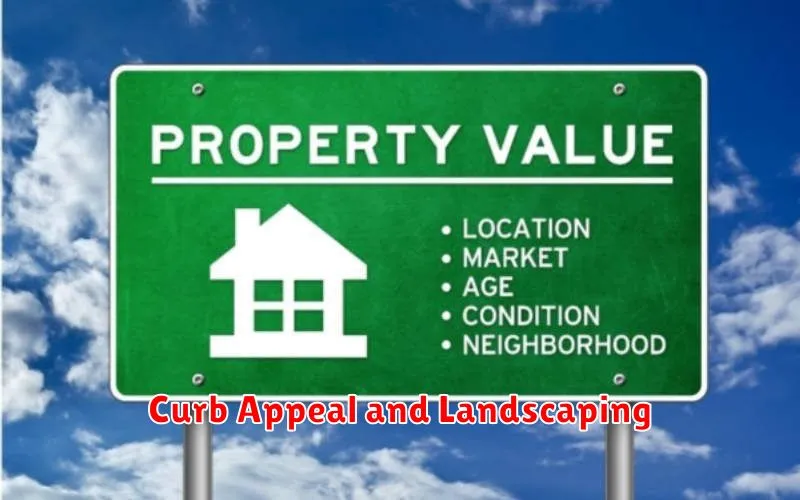
Curb appeal, the first impression of a property, significantly influences value. Well-maintained landscaping plays a crucial role. A vibrant, healthy lawn, neatly trimmed shrubs, and colorful flowerbeds create an inviting atmosphere, suggesting a well-cared-for property overall.
Mature trees offer shade and aesthetic appeal, increasing property value. Conversely, overgrown vegetation, dead plants, and unkempt lawns detract from the property’s appeal and can negatively impact value. Strategic landscaping investments can offer a substantial return.
