
Finding the perfect rental house can feel like searching for a needle in a haystack. Before you sign a lease and commit to a new home, it’s crucial to thoroughly evaluate the property. This careful evaluation process will help you avoid potential problems and ensure you’re making an informed decision. This article will guide you through the essential steps to evaluate a rental house, covering everything from inspecting the property’s condition to considering the neighborhood and lease terms. By understanding how to properly evaluate a rental house before signing a lease, you can confidently choose a place you’ll be happy to call home.
From assessing the rental house’s structural integrity to understanding your rights as a tenant, a comprehensive evaluation is essential. We’ll delve into the key aspects to consider, including the property’s location, safety features, and amenities. Learning how to evaluate a rental house before signing can save you from future headaches and ensure a positive renting experience. This article will equip you with the knowledge and tools to evaluate your potential rental house effectively and make a wise decision.
Checking the Neighborhood Conditions
Beyond the house itself, the surrounding neighborhood plays a crucial role in your living experience. Safety should be a primary concern. Observe the general upkeep of properties, street lighting, and visible security measures.
Consider the noise levels at different times of day. Is it near a busy street, airport, or train tracks? Think about proximity to amenities such as grocery stores, parks, and public transportation. A quick drive or walk around the area can provide valuable insights.
Research the local schools if you have children. Finally, consider the overall vibe. Does the neighborhood feel welcoming and comfortable? Trust your instincts.
Understanding Lease Terms and Duration
Before signing a lease, it’s crucial to understand the terms and duration of the agreement. A lease outlines the responsibilities of both the landlord and tenant.
Lease Term: This refers to the length of the rental agreement. Common lease terms are six months, one year, or even month-to-month. A longer lease provides more stability, while a shorter term offers flexibility. Consider your needs and plans when deciding on a lease term.
Lease Duration: This specifies the exact start and end dates of your tenancy. Pay close attention to these dates to avoid any misunderstandings. Ensure the dates align with your moving plans.
Inspecting for Water and Structural Damage
Water damage and structural problems can be costly and disruptive. Thoroughly inspect areas prone to moisture, such as bathrooms, kitchens, and basements. Look for signs of leaks like water stains, mold, mildew, or musty odors. Check for warping or discoloration on walls and ceilings.
Examine the foundation for cracks, gaps, or uneven settling. Look at the walls and ceilings for large cracks or bulges, which could indicate structural issues. Don’t hesitate to ask the landlord about the history of any water damage or repairs.
Testing Electrical and Plumbing Systems
Thoroughly evaluating the electrical and plumbing systems is crucial before committing to a rental. Electrical safety should be a top priority. Test all outlets and light switches. Look for any signs of faulty wiring, such as flickering lights or exposed wires. Ensure Ground Fault Circuit Interrupters (GFCIs) are functioning correctly, especially in kitchens and bathrooms.
For plumbing, check water pressure by turning on faucets and flushing toilets. Inspect under sinks for leaks and ensure drains are clear. Look for signs of water damage, such as stains or mold. Don’t forget to test the hot water supply to ensure adequate temperature and flow.
Asking About Previous Tenants
While seemingly intrusive, inquiring about previous tenants can offer valuable insights. Politely ask the landlord or property manager about the reason for the previous tenant’s departure. A high turnover rate could indicate underlying issues with the property or management.
You can also inquire about the typical length of tenancy. Longer tenancies suggest tenant satisfaction. However, be mindful that laws regarding tenant privacy vary, and the landlord may not be able to disclose specific details. Focus on asking questions that elicit general information rather than personal details about former occupants.
Reviewing Security Measures
Thoroughly assessing a rental property’s security is crucial before signing a lease. Prioritize features like strong exterior doors with deadbolt locks and functioning window locks.
Check for adequate exterior lighting, especially around entrances and walkways. Inquire about the presence of a security system, and if one exists, understand its functionality and associated costs. Consider the neighborhood’s overall safety and the property’s proximity to neighbors.
Assessing Parking and Accessibility
Parking is a crucial factor to consider. Determine if off-street parking is available, such as a driveway or garage. If street parking is the only option, inquire about its availability and any associated restrictions. Consider the safety and security of the parking area, especially at night.
Evaluate the property’s accessibility. Are there stairs leading to the entrance? Is there a ramp available if needed? Consider the interior layout and whether it suits your mobility needs. If accessibility is a significant concern, document your observations and inquire about any potential modifications.
Clarifying Maintenance Responsibilities
Before signing a lease, it’s crucial to understand who is responsible for what regarding maintenance. A well-defined agreement prevents future disputes and ensures a smooth tenancy.
Ask the landlord directly about their maintenance policies. Specifically, inquire about their responsibilities for essential repairs such as plumbing, heating, and electrical systems. Also, determine your responsibilities as a tenant, which may include minor upkeep like changing lightbulbs or yard care.
Ensure these responsibilities are clearly outlined in the lease agreement. Don’t hesitate to ask for clarification on any ambiguous terms. A clear understanding of maintenance expectations protects both the landlord and tenant.
Noting Any Restrictions
Before signing a lease, it’s crucial to understand any restrictions the landlord may impose. Pet restrictions are common, often specifying breed, size, or number limitations. Some properties might have restrictions regarding smoking, both inside the unit and on the premises. Be sure to inquire about guest policies, especially regarding overnight stays or long-term visitors.
Alterations to the property, such as painting walls or installing fixtures, are often restricted or require prior written consent. Landlords may also have rules regarding parking, such as assigned spaces or limitations on the number of vehicles. Finally, some leases may include clauses concerning subletting or using the property for commercial purposes.
Taking Photos Before Moving In
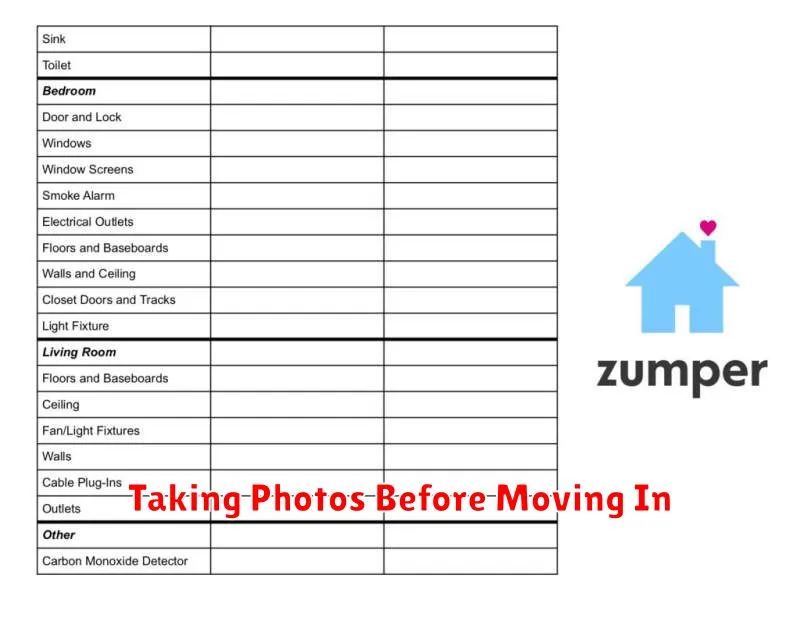
Documenting the condition of the rental property before you move in is crucial. This protects you from potential disputes with your landlord regarding pre-existing damage.
Take photos of every room, including closets and storage spaces. Pay particular attention to any existing damage, no matter how small. This includes scratches, dents, stains, and any signs of wear and tear.
Document the functionality of appliances and fixtures as well. Take photos of the oven, refrigerator, dishwasher, washing machine, dryer, and any other included appliances. Test all faucets, lights, and electrical outlets and take photos to confirm they are working correctly.
