
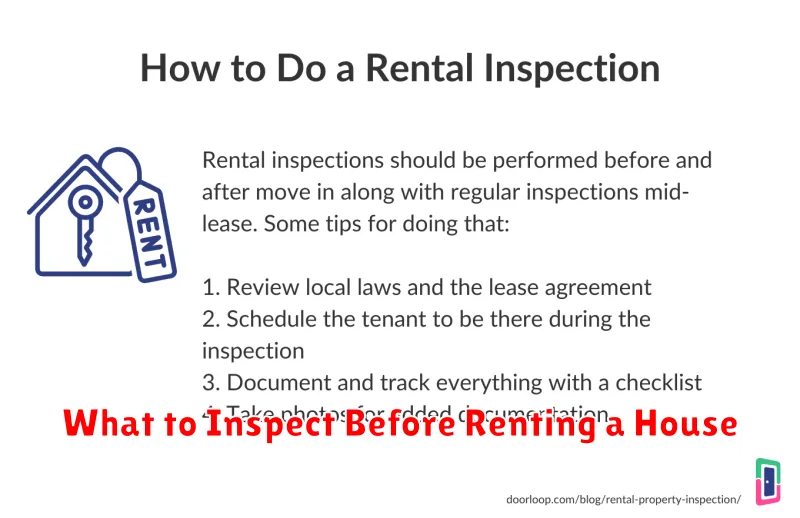
Renting a house is a significant decision, and a thorough inspection is crucial to avoid future problems and expenses. Before signing a lease, taking the time to carefully inspect the property can save you from costly repairs, uncomfortable living situations, and disputes with your landlord. This comprehensive guide will equip you with the essential knowledge of what to inspect before renting a house, covering everything from structural integrity to safety features. Understanding these key aspects of a rental property inspection will empower you to make an informed decision and ensure a comfortable and secure tenancy.
From evaluating the condition of the roof and plumbing to examining appliances and safety devices, a detailed inspection checklist is essential. This article will provide a detailed breakdown of the crucial areas you must inspect before committing to a rental agreement. We’ll discuss how to spot potential red flags, ask the right questions, and ultimately protect yourself from hidden issues that could turn your dream rental into a nightmare. By understanding what to look for when renting a house, you can confidently choose a property that meets your needs and provides a safe and enjoyable living environment.
Check Structural Integrity and Roofing
A thorough inspection of the house’s structural integrity is crucial. Look for signs of settling, such as cracks in the foundation or walls. Check for uneven floors which could indicate foundation problems. These issues can lead to costly repairs down the line.
The roof is another vital component. Inspect it for missing or damaged shingles. Inside, look for water stains on ceilings or walls, indicating a leak. A compromised roof can lead to further structural damage if left unchecked.
Test Plumbing and Water Pressure
Testing the plumbing and water pressure is a crucial step in your pre-rental inspection. Check all faucets (both hot and cold) in the kitchen, bathrooms, and laundry room, noting the water pressure. Low water pressure can be a major inconvenience.
Flush all toilets multiple times to ensure they flush completely and refill properly. Look for any leaks around the base of the toilet and listen for any unusual sounds during the flush cycle. Inspect under sinks for leaks and signs of water damage. Check for proper drainage by running water in the sinks and observing how quickly it drains.
Inspect Doors and Windows for Security
Thoroughly examine all exterior doors. Ensure they are solid-core and fit snugly within their frames. Check that deadbolt locks are functioning correctly and engage smoothly. Verify the presence of a peephole or other means of identifying visitors before opening the door.
Windows should also be a key focus. Inspect the frames for any signs of damage or weakness. Ensure locks are present on all windows and that they operate effectively. Consider the type of glass; double-paned or laminated glass offer increased security compared to standard single-paned.
Verify Functionality of Appliances
A key aspect of pre-rental inspection involves confirming the proper operation of all included appliances. Don’t just assume they work. Test everything.
This includes major appliances like the refrigerator (check its cooling capacity), oven/range (ensure all burners and the oven heat up), dishwasher (run a short cycle), washer and dryer (inspect for leaks and proper cycles), and any other included appliances such as microwaves or garbage disposals.
Document any malfunctioning appliances in writing and discuss necessary repairs or replacements with the landlord before signing the lease. This protects you from inheriting pre-existing issues.
Examine Flooring and Walls for Damage
Thoroughly inspect the condition of both the flooring and walls. Look for any signs of damage such as stains, scratches, warping, or holes. Stains might indicate previous water damage or leaks. Scratches or gouges could suggest careless previous tenants. Warped flooring might signify a deeper structural issue.
On the walls, check for cracks which could indicate settling issues, and examine the paint for signs of peeling, chipping, or mold. Ensure patches and repairs appear professionally done and not a quick fix.
Ensure Adequate Lighting and Ventilation
Natural light plays a crucial role in a home’s ambiance and energy efficiency. Inspect each room during daylight hours to assess the amount of natural light received. Check for sufficient window placement and size. Consider the direction the windows face, as this impacts both light and temperature.
Artificial lighting should also be evaluated. Ensure that each room has adequate fixtures and switches in convenient locations. Test all light switches and fixtures to confirm they are functioning correctly.
Proper ventilation is essential for a healthy living environment. Check for the presence and functionality of exhaust fans in kitchens and bathrooms. Look for vents and assess airflow throughout the house. Open windows to gauge how easily fresh air circulates. Poor ventilation can lead to moisture buildup and potential mold issues.
Evaluate Neighborhood Conditions
Beyond the house itself, the surrounding neighborhood significantly impacts your living experience. Safety should be a primary concern. Research crime statistics and consider visiting the area at different times of day to observe activity levels and get a feel for the environment.
Convenience is another key factor. Consider the proximity to essential amenities such as grocery stores, pharmacies, and public transportation. If you have children, research local schools and parks.
Noise levels and traffic can significantly affect your quality of life. Spend some time in the neighborhood to assess these factors, especially during peak hours. Observe the general condition of surrounding properties and the overall upkeep of public spaces. This can give you insights into the pride residents take in their community.
Assess Parking and Outdoor Space
Parking is a crucial factor to consider. Determine if there is a designated parking spot, driveway, or if you’ll rely on street parking. If street parking is the only option, inquire about its availability, especially during peak hours. For designated spots, clarify whether it’s assigned or shared.
Inspect the condition of the outdoor space. Note the size and overall maintenance. If there’s a yard, consider its size and whether landscaping is included. If a patio or balcony is present, evaluate its condition and usability. Consider if outdoor amenities, like a shed or gardening area, meet your needs.
Review Emergency Exits and Smoke Alarms
Safety should be a top priority when selecting a rental property. Thoroughly inspect all emergency exits and smoke alarms.
Ensure all designated emergency exits are easily accessible and free from obstruction. Check that windows designated as emergency exits open properly and aren’t painted shut or blocked by furniture. Verify exterior doors unlock smoothly and swiftly from the inside.
Confirm that smoke alarms are installed on every level of the home, including the basement, and outside each sleeping area. Test each alarm to ensure they are functioning correctly. Ask the landlord about the age of the alarms and their maintenance schedule.
Document Existing Issues
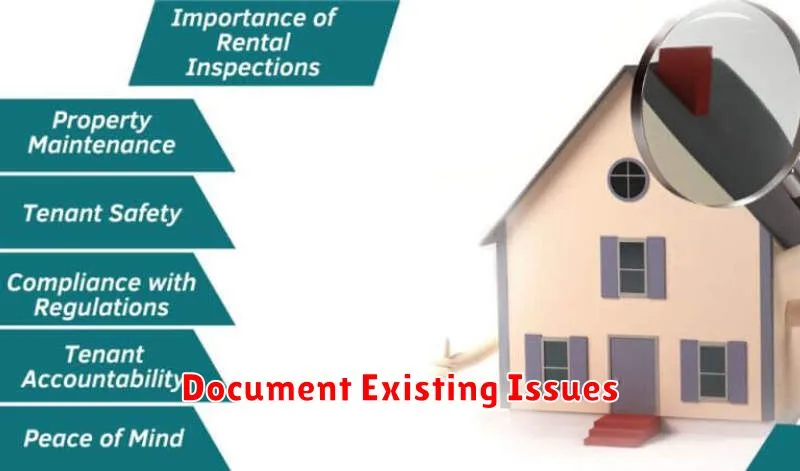
A crucial step before signing a lease is to meticulously document any existing issues within the property. This protects you from being held responsible for pre-existing damage. Thorough documentation is key.
Carefully inspect every room, including appliances, fixtures, and structural elements. Note any damage, no matter how minor it seems. Take clear photos or videos as visual evidence. A written description accompanying the visuals further strengthens your documentation.
Compile your findings into a signed and dated report and share it with the landlord. This provides a clear record of the property’s condition before your tenancy begins.
