

Choosing between short-term rentals and long-term rentals can be a complex decision, influenced by numerous factors ranging from your lifestyle and financial situation to your travel habits and investment goals. Understanding the key differences between these two types of rentals is crucial to making the best choice for your needs. This article will explore the advantages and disadvantages of both short-term and long-term rentals, providing a comprehensive comparison to help you determine which option aligns best with your individual circumstances. Whether you’re a seasoned traveler, a homeowner looking to generate income, or simply seeking a place to call home, this guide will equip you with the information you need to navigate the rental landscape.
Delving into the nuances of short-term versus long-term rentals, we’ll examine key aspects such as lease agreements, cost considerations, flexibility, and maintenance responsibilities. We’ll consider the benefits of the stability offered by long-term rentals compared to the dynamic nature of short-term rentals. By weighing the pros and cons of each, you can make an informed decision that aligns with your rental needs, whether you prioritize flexibility, affordability, or long-term stability. This comprehensive guide will help you determine whether a short-term rental or a long-term rental is the right choice for you.
Understanding Rental Duration Terms
Before diving into the pros and cons of each rental type, it’s important to establish a clear understanding of what constitutes “short-term” and “long-term.” Rental duration is a key factor influencing lease agreements, costs, and overall flexibility.
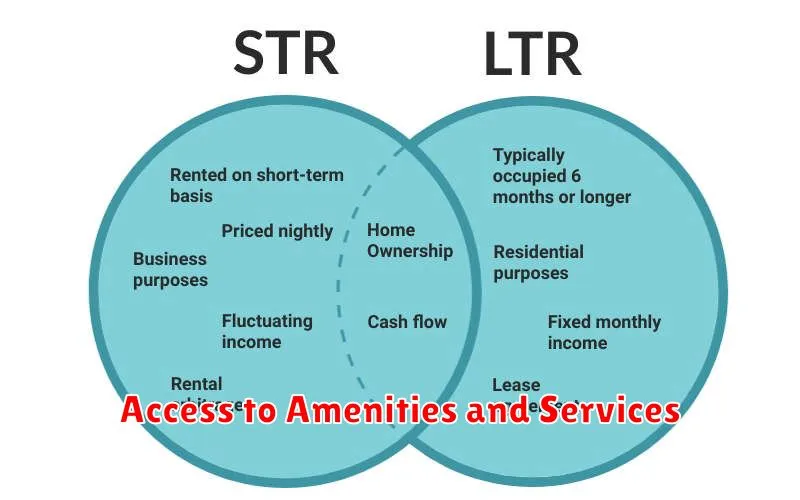
Generally, a short-term rental agreement lasts for less than six months. These agreements can range from a few days to several weeks or months. Long-term rentals, on the other hand, typically involve leases of six months or longer, often extending to a year or even multiple years.
The specific definition can sometimes vary based on local regulations or individual landlord policies. Therefore, it’s crucial to confirm the exact duration with the property owner or management company to avoid any misunderstanding.
Cost Comparison Over Time
A key factor in deciding between short-term and long-term rentals is cost. Analyzing expenses over different timeframes helps clarify which option aligns best with your budget and financial goals. Short-term rentals often have higher nightly or weekly rates, potentially lucrative for property owners. However, factor in vacancy periods and higher turnover costs (cleaning, maintenance, advertising).
Long-term rentals generally offer lower monthly rates, providing stable and predictable income. While monthly income might appear lower initially, consider the reduced expenses associated with fewer turnovers and consistent occupancy. Over an extended period, the cumulative income from long-term rentals can surpass that of short-term rentals, particularly if vacancy rates are low.
Flexibility and Commitments
A key differentiator between short-term and long-term rentals lies in the level of flexibility and commitment required. Short-term rentals offer maximum flexibility, allowing you to book accommodations for a few days, weeks, or months, with relatively easy cancellation policies. This is ideal for vacations, temporary work assignments, or relocations where your timeline is uncertain.
Long-term rentals, conversely, demand a higher level of commitment. Leases typically run for six months to a year or longer, with penalties for breaking the agreement early. While this provides stability and predictability, it may not be suitable for those with nomadic lifestyles or unpredictable future plans. Consider your need for flexibility when deciding which rental option aligns best with your circumstances.
Access to Amenities and Services
A key differentiator between short-term and long-term rentals lies in the access to amenities and services. Short-term rentals, such as those found on platforms like Airbnb, often provide a wider range of included amenities like linens, towels, kitchenware, and sometimes even concierge services. These rentals are frequently furnished and equipped for immediate occupancy.
Long-term rentals, on the other hand, typically offer fewer included amenities. While appliances like a stove and refrigerator are standard, renters are usually responsible for providing their own furnishings and smaller appliances. Utility management also differs; short-term rentals often include utilities in the rental price, while long-term renters are usually responsible for setting up and paying for their own utilities.
Legal Considerations for Each Type
Short-term rentals often face stricter regulations than long-term rentals. Local ordinances may restrict rental durations, require permits or licenses, and impose occupancy limits. Zoning regulations also play a crucial role, sometimes prohibiting short-term rentals in certain areas. Taxes, including occupancy and sales taxes, are typically required for short-term rentals.
Long-term rentals are generally governed by statewide landlord-tenant laws. These laws cover topics like lease agreements, security deposits, eviction procedures, and property maintenance responsibilities. While fewer restrictions generally apply compared to short-term rentals, landlords must still adhere to these laws to ensure legal compliance.
Impact on Credit and Rental History
Both short-term and long-term rentals can impact your credit and rental history, but in different ways. Long-term rentals typically involve a formal lease agreement and regular rent payments reported to credit bureaus. Consistent on-time payments can positively impact your credit score. A positive rental history with long-term leases demonstrates stability to future landlords.
Short-term rentals, while not typically reported to credit bureaus, can still contribute to your rental history. Providing positive references from previous short-term landlords can showcase your responsibility as a tenant. However, a lack of formal reporting means short-term stays won’t directly build credit. Consistent positive reviews and a documented history of responsible short-term renting can indirectly strengthen your overall tenant profile.
Ideal Situations for Short-Term Rentals
Short-term rentals are an excellent choice in several specific scenarios. If you value flexibility, short-term rentals offer the freedom to move easily without being tied down to a long-term lease. They are also ideal for temporary stays, such as business trips, relocations, or vacations.
Another key advantage arises if you are testing out a new neighborhood. A short-term rental allows you to experience the area before committing to a longer-term arrangement. Finally, short-term rentals can be a cost-effective solution for certain situations, especially if your housing needs are transient.
Ideal Situations for Long-Term Rentals
Long-term rentals are generally defined as leases lasting a year or more. These arrangements offer stability and predictability, making them suitable for certain lifestyles and circumstances.
Stability is a key benefit. Knowing your housing costs are fixed for a set period provides peace of mind for budgeting and planning. This is ideal for individuals and families seeking a consistent living situation.
Long-term rentals are often preferred by those establishing roots in a community. This could include families with children attending local schools or professionals committed to a specific job market. Building community ties and avoiding the hassle of frequent moves are significant advantages.
Finding Reliable Listings
Regardless of whether you’re pursuing a short-term or long-term rental, finding reliable listings is crucial. For long-term rentals, reputable real estate agents and established online platforms are valuable resources. Look for detailed property descriptions, clear lease terms, and transparent fee structures.
For short-term rentals, specialized platforms offer a wide selection of properties. Thoroughly review host profiles, paying close attention to reviews and ratings. Verified listings and secure booking processes are essential for a safe and reliable experience.
Making an Informed Decision

Choosing between a short-term and long-term rental requires careful consideration of your individual circumstances. Flexibility, cost, and lifestyle are key factors influencing this decision. Understanding your priorities will guide you towards the best option.
For individuals prioritizing mobility and brief stays, short-term rentals offer an attractive solution. Conversely, those seeking stability and a sense of permanence will likely find long-term rentals more suitable.
Evaluating your budget is crucial. Factor in not only rent, but also additional expenses such as utilities, furnishings, and maintenance, which can vary significantly between the two options.
